
Carbon Credits from Regenerative Agriculture and Biochar
We develop high-integrity carbon credit projects based on regenerative agriculture and biochar application in agricultural soils.
We work with farmers, land managers and biomass holders to create measurable, verifiable and long-term climate value — while also improving soil quality and supporting more resilient agricultural systems.
Let’s discuss cooperation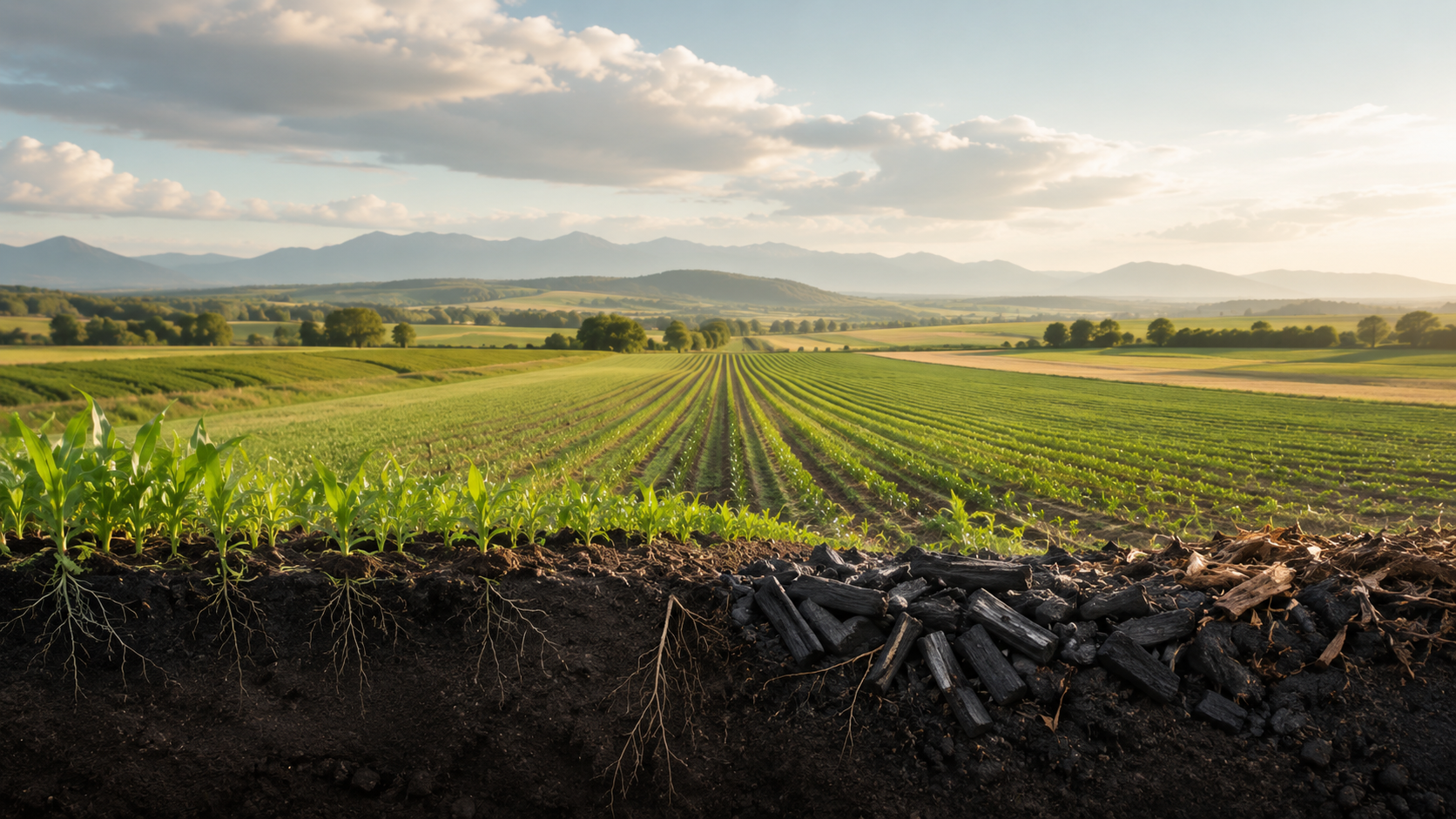
What we do
We structure and develop carbon credit projects in two complementary areas: regenerative agriculture and biochar.
We support the full project development process — from initial project assessment and methodology selection to data collection, MRV planning, documentation, verification preparation and future buyer engagement.
Our focus is on projects that can be supported by clear data, transparent assumptions and credible certification pathways.
Project areas
Regenerative agriculture
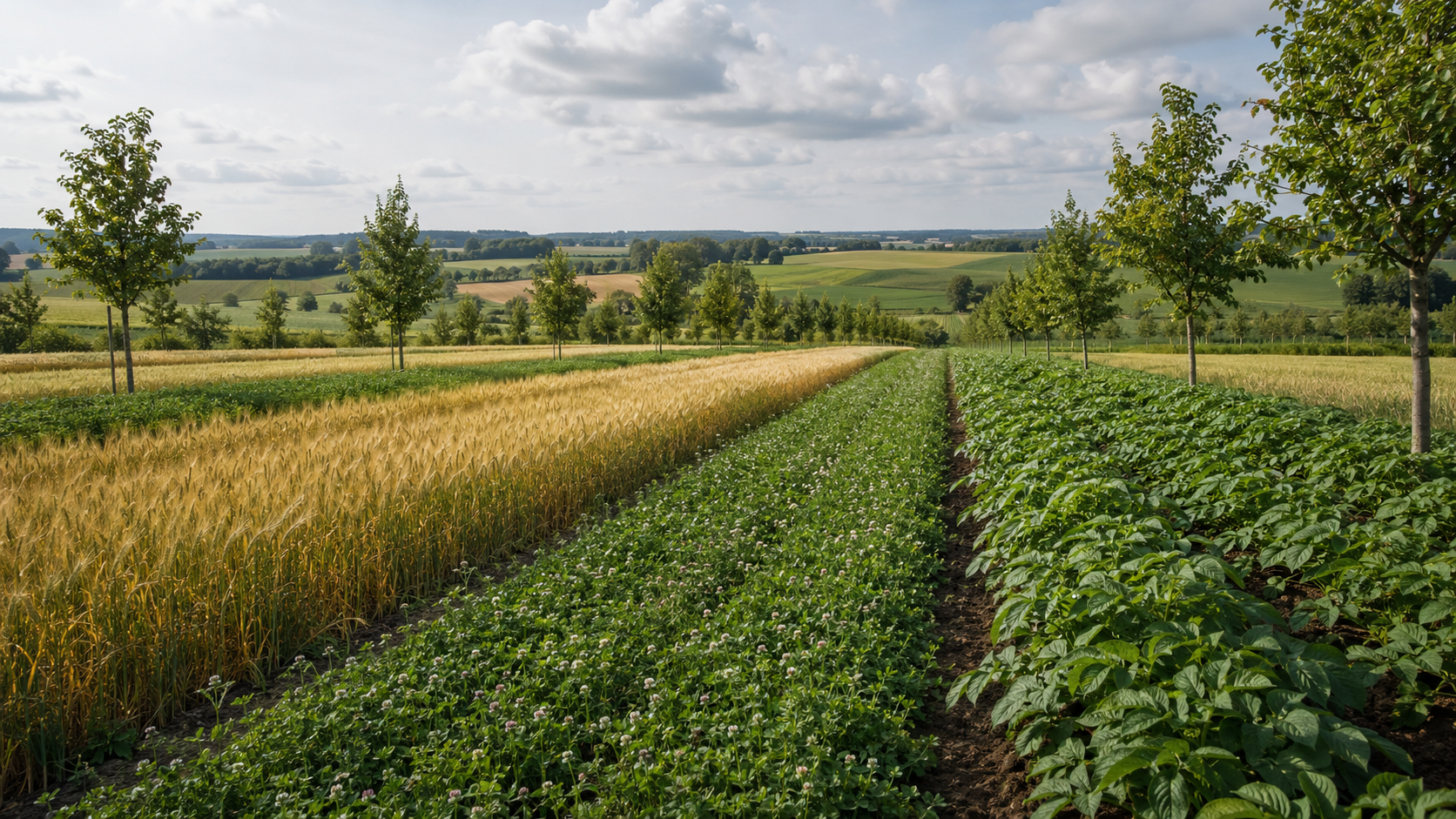
We are looking for farmers and agricultural companies interested in implementing or expanding regenerative practices as part of structured carbon project schemes.
Relevant practices may include:
- reduced or no-tillage systems;
- cover crops and improved crop rotations;
- organic matter return to soil;
- grassland restoration or improved grassland management;
- other soil-focused practices that can be documented and monitored over time.
Together with farming partners, we assess project potential, define the baseline, prepare the data collection framework and coordinate the implementation of eligible practices.
Biochar
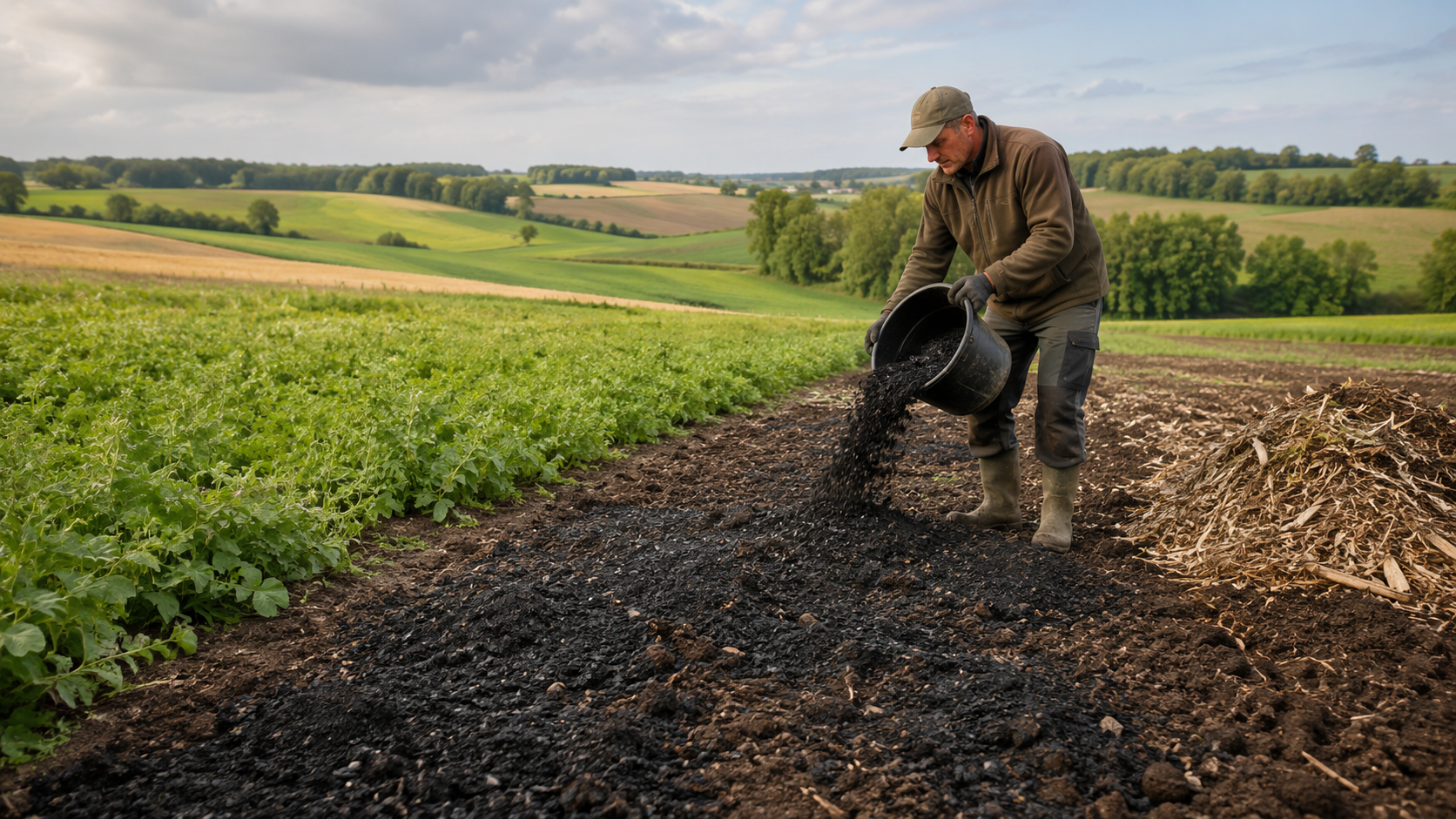
Biochar is a stable form of carbon produced from biomass. When applied to agricultural soils, it can store carbon for long periods and may also improve soil structure, water retention and nutrient dynamics.
In biochar projects, we are primarily looking for partners who can provide suitable biomass or organic by-product streams.
We do not focus on partnering with other biochar producers. Instead, we aim to develop integrated projects where suitable biomass is converted into biochar and applied to agricultural land as part of a broader soil improvement and carbon removal strategy.
Why agriculture?
Agriculture has an important role to play in climate action, soil restoration and the development of high-quality carbon removal projects.
Value for land-based systems
- storing carbon in soils or stable carbon forms;
- improving soil quality and resilience;
- creating additional revenue opportunities for land-based businesses;
- supporting companies looking for credible climate contributions;
- helping build a more transparent carbon credit market in Europe.
No shortcuts
We are careful not to treat carbon credits as a shortcut. Every project must be assessed based on additionality, permanence, leakage risk, data quality and verification requirements.
How the process works
Initial assessment
We assess the farm, land area, biomass stream or planned activity to understand whether it has carbon credit potential.
Project design
We define the project boundary, baseline, eligible practices, data requirements and suitable certification route.
MRV and documentation
We prepare the monitoring, reporting and verification framework, including data collection procedures and project documentation.
Buyer engagement
We help communicate the project to potential buyers and support credit sales or forward purchase discussions.
Who we are looking for
Farmers and agricultural companies
Farms interested in implementing eligible regenerative practices within structured carbon project schemes.
Land managers
Land managers who control agricultural areas and are open to long-term soil improvement cooperation.
Biomass and organic by-product holders
Businesses and organizations that can supply suitable feedstock for biochar production.
Companies interested in carbon credits
Companies looking for credible, land-based climate solutions with strong environmental co-benefits.
Our approach
We believe carbon credit projects should be practical, transparent and grounded in real land management.
What this means
- no unrealistic promises;
- no shortcuts in data collection;
- clear project boundaries;
- credible baselines;
- strong MRV;
- independent verification;
- long-term thinking.
Practical cooperation
Our aim is to develop projects that work for farmers, landowners, biomass partners and carbon credit buyers.
Let’s talk
Do you manage agricultural land, control biomass resources, or want to understand how regenerative agriculture and biochar carbon projects could work in practice?
Get in touch and we will assess whether there is potential for cooperation.
Email: info@soilcarbonbank.eu
Phone: +370 624 76899
Location: Lithuania